Skip to:


History of Ice Cream Bars
If you love a Klondike ice cream bar, it’s easy to assume this legendary treat has just always been around. But here's the thing: someone had to figure out how to take ice cream, wrap it in chocolatey coating, keep the whole thing from melting, and get it into people's hands in one piece.
What started as a clever fix for making desserts portable grew into one of America's most beloved treat categories. Along the way, better refrigeration, smarter recipes, and a whole lot of trial and error turned frozen treats from occasional luxuries into everyday favorites.
Here’s how it all happened, in a nutshell.
What Are Ice Cream Bars?
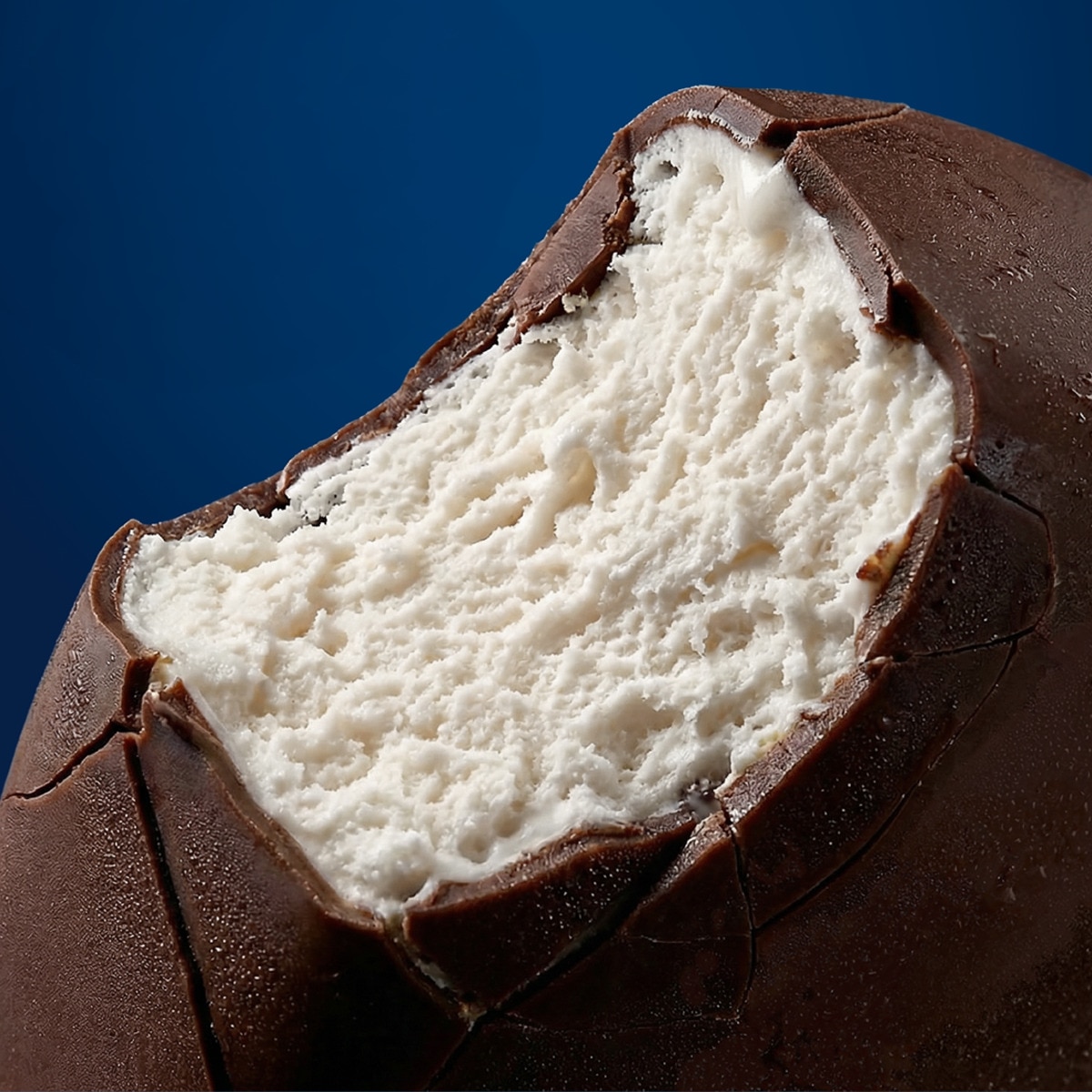
An ice cream bar is a portioned frozen dessert made to be enjoyed by hand, combining a creamy frozen center with an outer coating or shell. The category now spans countless variations, but ours is one of the most recognizable stickless bars thanks to its signature chocolatey coating and square shape.
Before handheld frozen desserts became common, enjoying ice cream usually involved a bowl, a cone, or a visit to an ice cream parlor. Turning it into a portable bar changed the way people could enjoy it.
That's part of what makes Klondike such a defining example of the category. The pairing of creamy center and chocolatey shell is exactly what most people picture when they hear the words "ice cream bar."
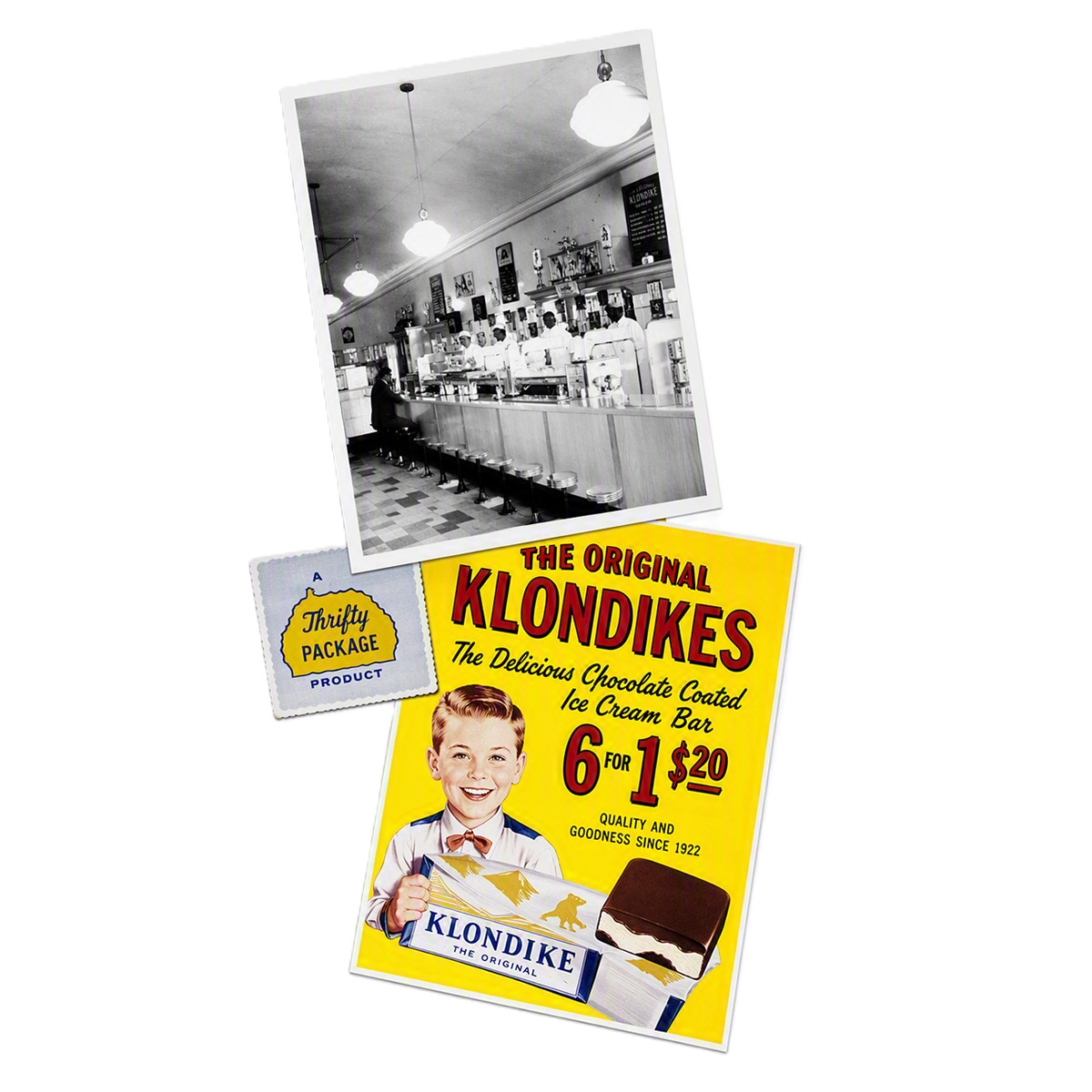
As refrigeration technology improved in the early 1900s, inventors and confectioners started asking some important questions. Could a frozen dessert be handheld? Could you wrap it? Could it survive the trip from the factory to the freezer in one piece?
Chocolate likes consistency; ice cream likes staying frozen, and getting the two to cooperate took plenty of trial and error. But once it worked, it opened a whole new way to enjoy something cold and sweet on the move and an entirely new category of treats along with it.
The Evolution of Ice Cream Bars Over Time
The decades that followed changed everything about how Americans ate ice cream bars, and the next chapter of ice cream bar history was just getting started.
Throughout the 1920s and 1930s, better commercial freezing and distribution allowed producers to reach more customers. As home refrigeration became more common, ice cream bars moved from occasional indulgences to household must-haves. Suddenly, they weren't just something you enjoyed while you were out. They were waiting for you right at home.
After World War II, ice cream bars went mainstream. Supermarkets expanded their frozen sections; convenience stores became more common, and ice cream trucks brought frozen treats right into the neighborhood. Whole generations grew up knowing that jingle and sprinting outside before the truck rounded the corner.
Klondike and the Legacy of Ice Cream Bars
Our story begins in 1902, when William Isaly founded the Isaly Dairy Company in Ohio. What started as a regional dairy would go on to create one of America's most beloved ice cream bars.
By the 1940s, the Isaly family operated multiple dairy plants supplying hundreds of Isaly Dairy stores throughout Ohio and Pennsylvania. As frozen treats caught on, we were already getting them into freezers across the region.
We didn't just witness the rise of ice cream bars. We helped build it and introduced generations of fans to the simple, satisfying combination of a creamy center and a chocolatey coating.
For decades, our bars were a regional favorite, enjoyed mainly in Pennsylvania and Ohio. Then, in 1978, our reach expanded into Florida before growing into New York and New England. More people discovered the foil-wrapped bar that would become a familiar sight in freezers across the country.
Then came 1982, and the now-legendary "What Would You Do for a Klondike Bar?" campaign. Very few advertising campaigns end up as a part of pop culture, but this one sure did. It introduced Klondike to an even wider audience and locked in our place in American ice cream history.
As tastes changed and the freezer aisle kept growing, we stuck to the format that made us famous. While new flavors, textures, and competitors came and went, our classic stickless bar continued to earn its place in freezers across America. More than a century on, Klondike is exactly what it set out to be: the name people picture when they think ice cream bar.
Why Chocolate-Coated Ice Cream Bars Remain So Popular

Explore Classic Klondike® Bars Today
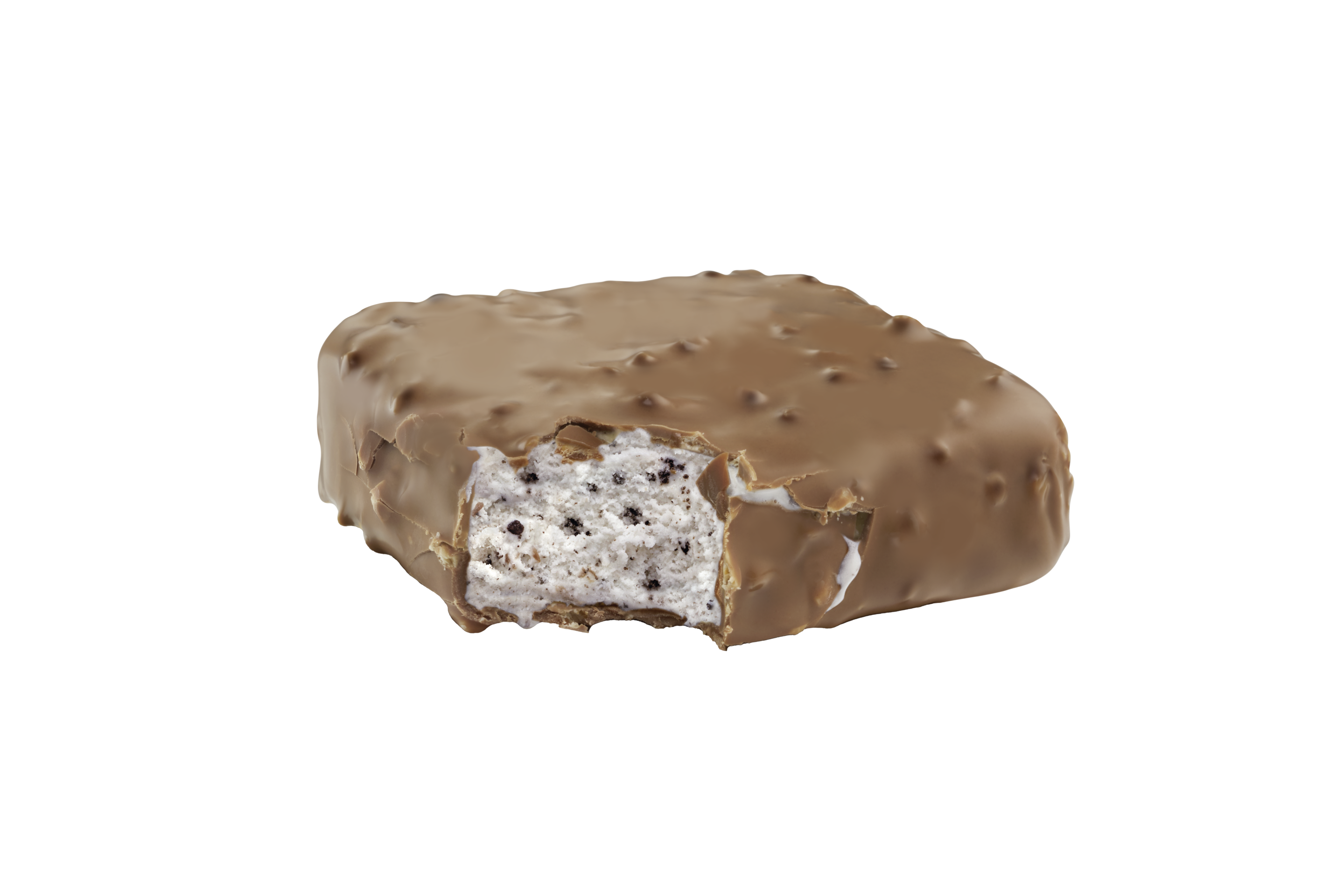
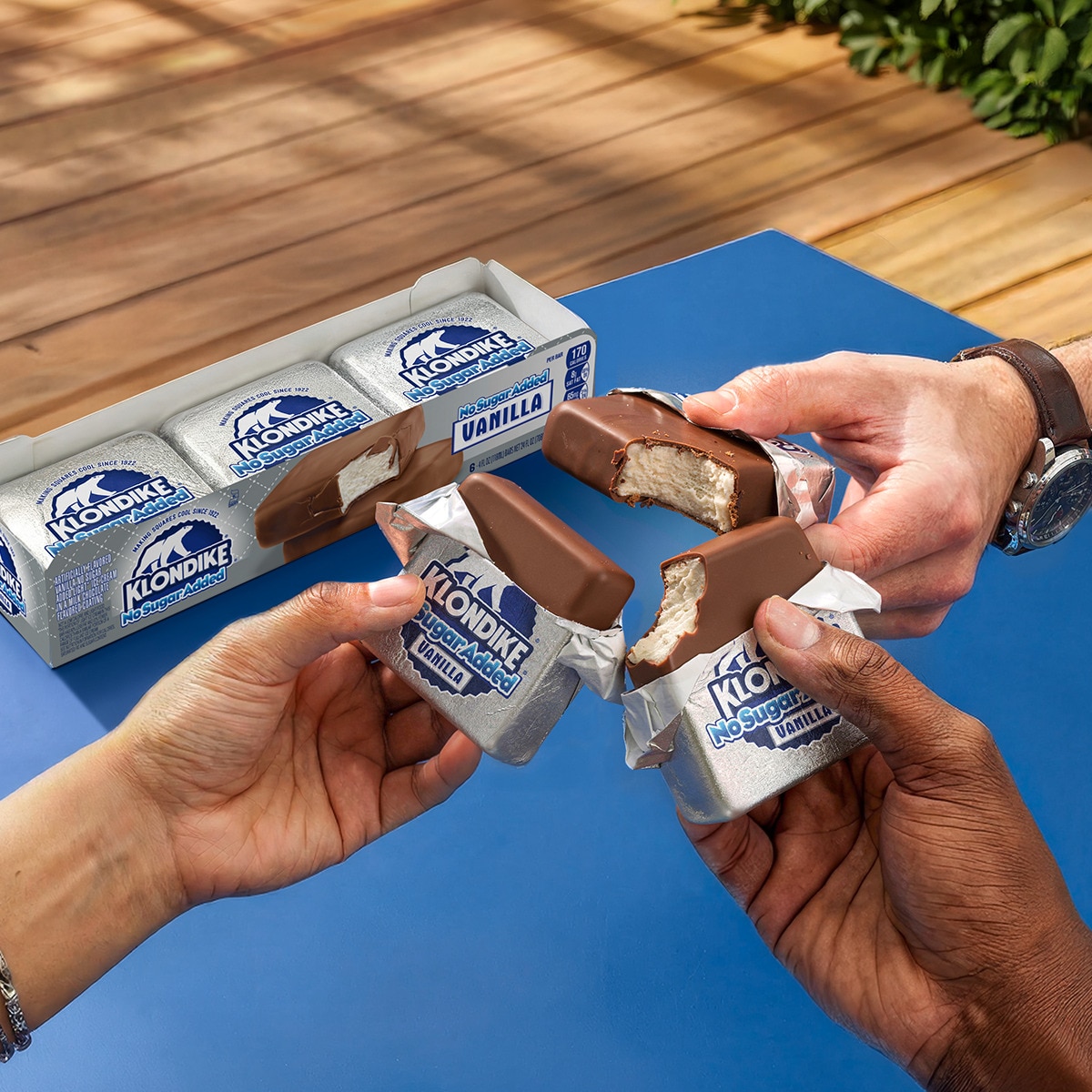
We've come a long way since Ohio, and our lineup includes favorites such as Original Vanilla Bar, Krunch Bar, Double Chocolate Bar, Dark Chocolate Bar, Heath Bar, Reese’s Bar, Mint Chocolate Chip Bar, Cookies & Creme Bar, and No Sugar Added options.
And half the fun is what you do next. Pile them onto a dessert board, blitz one into a frozen mudslide, or get creative with other inventive ice cream bar recipes. However you reach for a Klondike, it tends to make itself right at home.
Want to Enjoy the Classic Taste of Klondike Ice Cream Bars Today?
The classic chocolatey coating. The creamy center. The bar that started it all. Explore our range and find your next freezer obsession.
FAQs
Ice cream bars emerged in the United States during the early 1920s as confectioners experimented with frozen desserts. Several innovators contributed to their development, which is why the history is less about a single inventor and more about a period of rapid experimentation.
Ice cream bars are popular because they combine convenience, texture, and flavor in a handheld design. A creamy frozen center paired with a chocolatey coating delivers a contrast people have enjoyed for decades, and they're easy to enjoy almost anywhere.
They’re unique because they combine two very different textures in a single bite. That contrast between a crisp chocolatey coating and a smooth frozen center became one of the things people love most about them and still holds up.
Yes. Klondike is one of the classic examples of the stickless ice cream bar. Our foil wrapper and century-long run in the freezer have made us one of the most recognizable names in the category.
Ice cream bars have been around since the early 1920s, with the first commercially successful coated varieties appearing right around that time. Not bad for something that started as a food-science experiment.